Getting your pool or spa chemistry right isn’t just about clear water. It’s about protecting your equipment, keeping swimmers safe, and avoiding expensive problems down the road. We’ve spent years testing products in Michigan’s challenging climate, where harsh winters and dramatic temperature swings put pool chemicals to the test. Here’s what actually works.
Understanding Pool and Spa Sanitizers
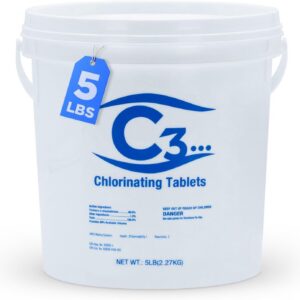
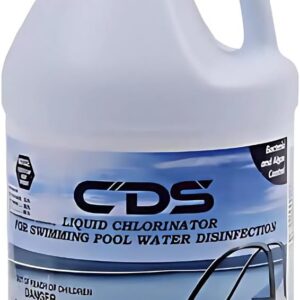
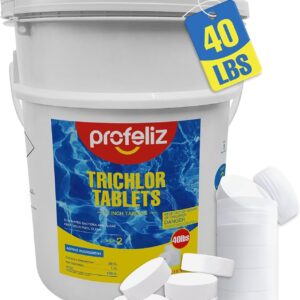
The foundation of any pool or spa chemical program starts with sanitation. Chlorine remains the most popular choice for good reason. It kills bacteria and algae effectively, breaks down organic contaminants, and provides lasting protection between treatments. We carry both stabilized chlorine tablets for outdoor pools and unstabilized shock for quick sanitization.
Bromine works differently and shines in hot tubs and indoor pools. It stays effective at higher temperatures, produces less odor than chlorine, and remains active longer in hot water. If you’re running a spa above 95 degrees, bromine often performs better than chlorine. The trade-off? It costs more and doesn’t work as well in direct sunlight.
Salt chlorine generators offer a third option. They create chlorine from dissolved salt, giving you steady sanitizer levels without handling chemicals directly. You’ll still need traditional chlorine products for shocking and startup, but daily maintenance becomes simpler.
Balancing Your Water Chemistry
Sanitizers can’t work properly if your water balance is off. pH sits at the heart of water chemistry. When pH climbs above 7.8, chlorine loses effectiveness and you waste money on sanitizer that isn’t working. When it drops below 7.2, water becomes corrosive and can damage heaters, pumps, and vinyl liners. We recommend pH decreaser (sodium bisulfate) and pH increaser (sodium carbonate) as your first line of defense for keeping levels in the ideal 7.4 to 7.6 range.
Total alkalinity acts as a pH buffer, preventing those frustrating swings that make chemistry feel impossible to control. Getting alkalinity right (80 to 120 ppm) before adjusting pH saves you from the endless cycle of adding chemicals with no lasting results. Alkalinity increaser (sodium bicarbonate) raises levels gradually without overshooting your target.
Calcium hardness matters more than most pool owners realize. Too little calcium and water pulls it from pool surfaces, etching plaster and degrading vinyl. Too much and you get cloudy water and scale buildup on equipment. Calcium increaser brings levels up when needed, while proper pH control prevents most scale issues.
Specialty Chemicals for Specific Problems
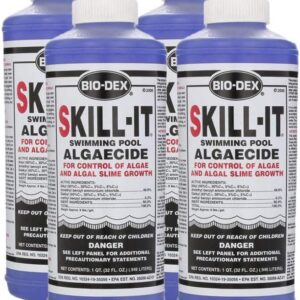
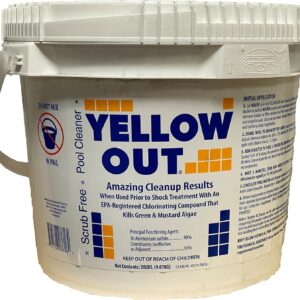
Even with perfect balance, pools face challenges that need targeted solutions. Algaecides prevent algae growth before it starts, particularly important during opening and those hot August weeks when algae blooms overnight. Copper-based formulas work fast but can stain, while polymer-based options cost more but won’t discolor your pool.
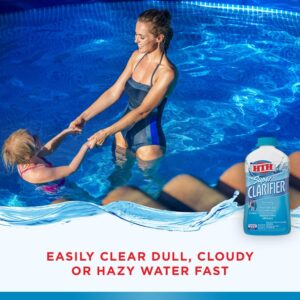
Clarifiers and flocculants tackle cloudy water from different angles. Clarifiers bind tiny particles together so your filter can catch them, working gradually over a few days. Flocculants drop everything to the pool floor for vacuuming, clearing water faster but requiring more hands-on work.
Phosphate removers address a problem many pool owners don’t know they have. Phosphates feed algae, and they enter pools through rain, debris, and even some chemicals. Removing phosphates makes algae control easier and reduces your overall chemical needs.
Testing and Maintenance Best Practices
The best chemicals in the world won’t help if you’re guessing at what your pool needs. Test strips offer convenience for quick daily checks, while liquid test kits provide more accurate readings for weekly maintenance. We recommend testing at least twice weekly during swim season and weekly during shoulder seasons.
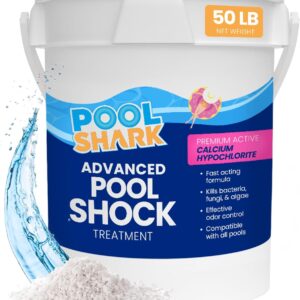
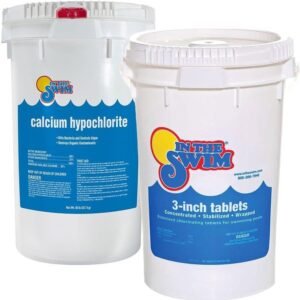
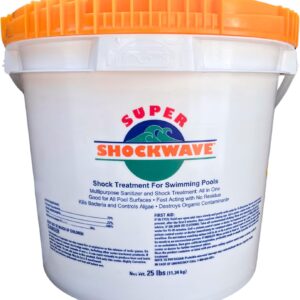
Shocking (super-chlorination) deserves special attention. It eliminates chloramines (those compounds that cause “chlorine smell”), kills algae, and clears organic contamination. Plan to shock weekly during heavy use, after heavy rain, and whenever water looks dull or develops an odor. Cal-hypo shock works fast and adds calcium, while dichlor shock dissolves quickly for above-ground pools and spas.
Getting the Support You Need
Pool chemistry intimidates a lot of people at first, but it becomes second nature once you understand the basics. We’ve organized our chemical selection based on what actually solves problems, not what has the highest profit margin. Every product includes clear instructions for dosing, timing, and safety.
If you’re dealing with a specific issue or not sure which chemical addresses your situation, reach out. We’ve seen just about every pool problem Michigan weather can throw at us, and we’re here to help you get it sorted out without buying products you don’t need.